
What Is Armenian Lavash? A Melbourne Guide to the UNESCO Flatbread
Lavash is one of the oldest breads still baked today — thin, soft and made from just three ingredients. Here is what it is, how it is made, and why it matters.
If you have shared an Armenian meal, you have eaten lavash. It is the soft, paper thin flatbread that arrives at the table folded or rolled, ready to wrap a skewer of grilled meat or tear into a bowl of soup. But lavash is far more than a side, it is one of the oldest breads still baked today, and a living piece of cultural heritage.
A bread made from almost nothing
Real lavash needs only three ingredients: wheat flour, water and salt. There is no yeast in the simplest versions, no oil, no sugar, just dough, skill and a very hot oven. That simplicity is the whole point. With so little to hide behind, good lavash is all about technique: how the dough is mixed, how long it rests, and how thin it is stretched.
How lavash is traditionally baked
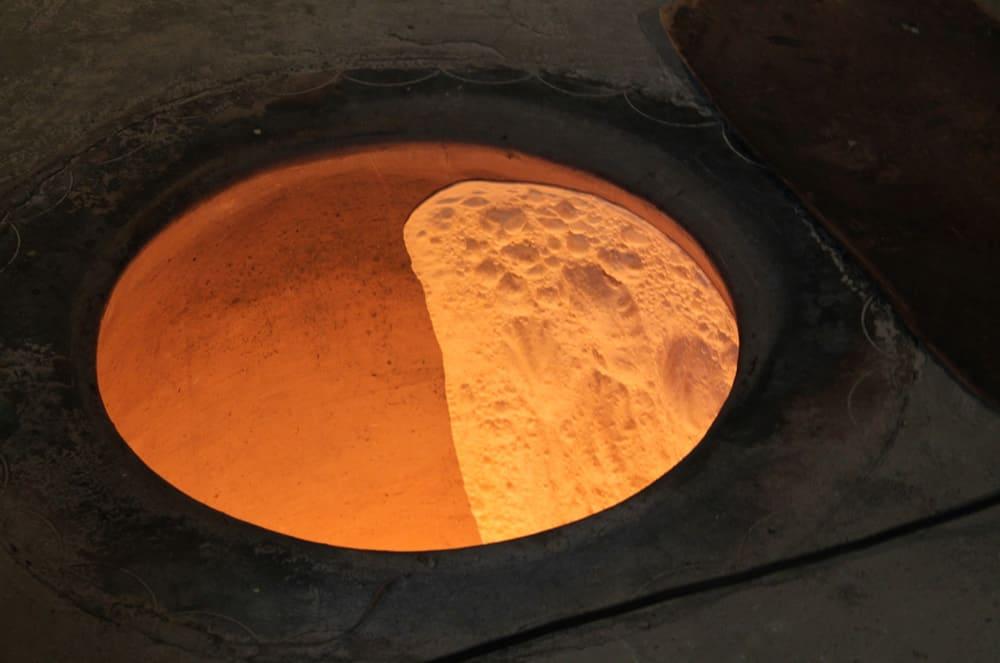
Traditionally, lavash is baked in a tonir, a clay oven sunk into the ground. The baker stretches the dough over a cushion and slaps it onto the searing inner wall of the oven, where it bakes in under a minute, bubbling and blistering. It is fast, dramatic work, usually done by women, and historically a communal event where a family would bake enough to last weeks.
That keeping quality is part of the genius of lavash. Stacked and dried, it stores for months; a quick sprinkle of water brings it back to soft and pliable. It was the original make ahead bread, long before anyone owned a freezer.
Recognised by UNESCO
In 2014, the preparation, meaning and appearance of lavash were inscribed on the UNESCO Representative List of the Intangible Cultural Heritage of Humanity. The listing recognises lavash not just as food but as an expression of culture, a craft passed down through generations and a fixture of celebrations, weddings and everyday meals alike.
How Armenians eat lavash
Wrapped around khorovats (BBQ grilled meats) with onions, tomatoes and fresh herbs.
Torn into khash, the traditional winter broth, to soak up every drop.
Rolled with cheese and greens for a simple, satisfying snack.
Used as a plate, a scoop, and even a napkin at a generous table.
Lavash, baked in Melbourne
You do not need to travel to Armenia to taste proper lavash. We bake it the traditional way in Melbourne, three ingredients, stretched thin, baked hot, in small batches on scheduled bake days so it always leaves the kitchen fresh.
Curious to try it? Start with our Fresh Armenian Lavash Pack and taste what three simple ingredients can do.
Related reading
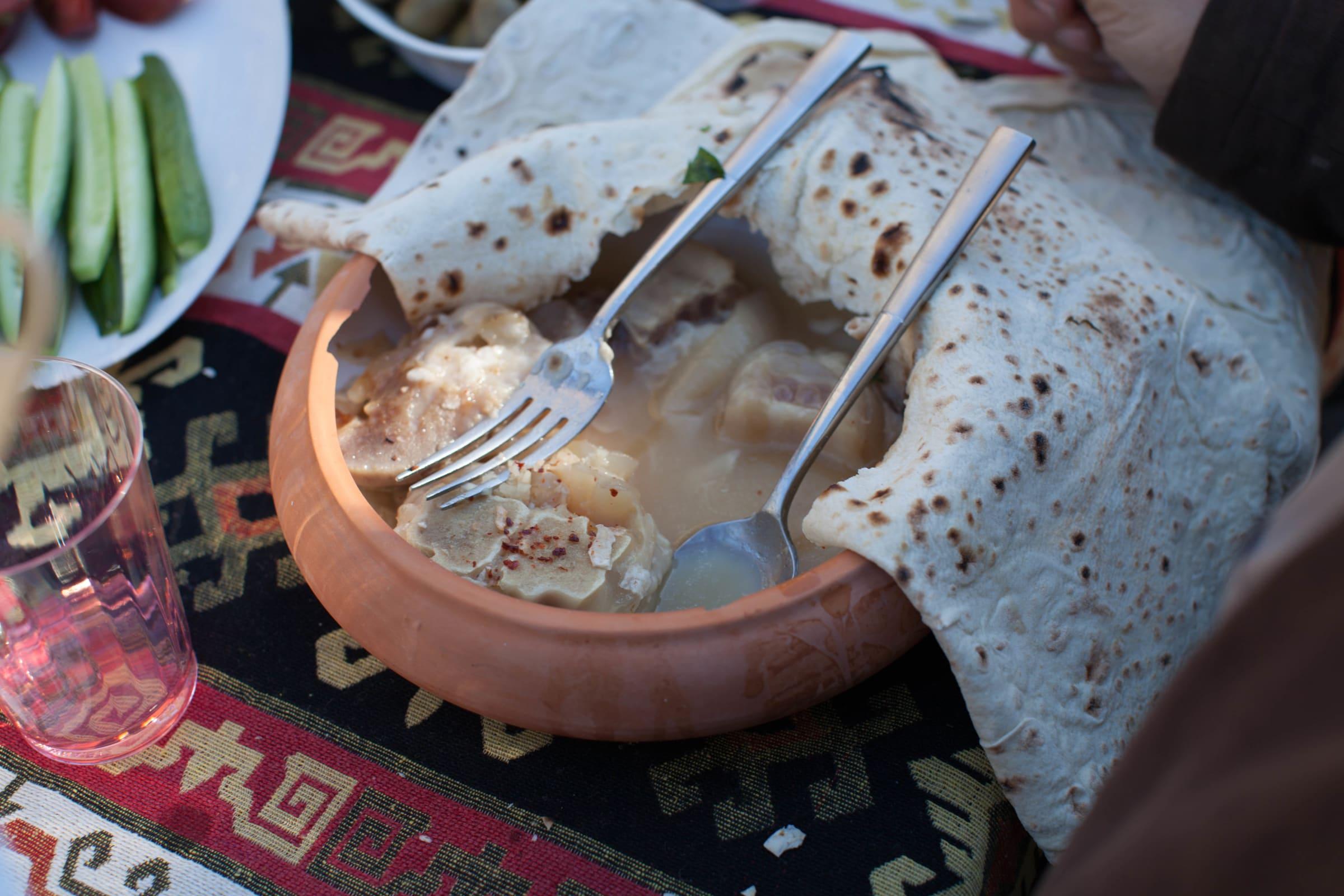
Khash and Lavash: An Armenian Winter Ritual
Khash is more than a soup. It is a midwinter ritual shared at dawn, and it is unthinkable without lavash. Here is the tradition and how to serve it.
7 May 2026
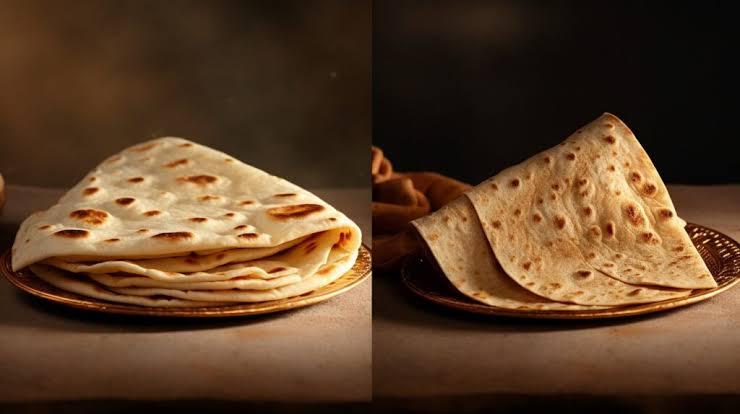
Lavash vs Pita and Other Flatbreads: What’s the Difference?
Lavash, pita, naan, tortilla — they are all flatbreads, but they are not the same. Here is how lavash compares and when to reach for it.
23 May 2026
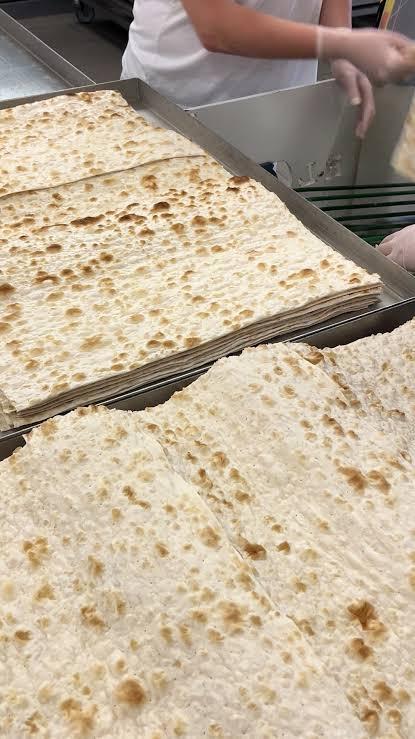
Where to Buy Fresh Lavash in Melbourne
Looking for genuinely fresh Armenian lavash in Melbourne? Here is what to look for and how our bake day model gets it to you at its best.
7 June 2026